Domestic Relocation Guide to Moving Into a Florida Gated Community
Reading time: 9 minutes
Table of Contents
- Why Florida Gated Communities Are Booming in 2026
- Before You Sign: The Pre-Move Checklist
- The Application and Approval Process
- Moving Day Logistics in a Gated Environment
- Comparing Community Types: A Quick-Reference Table
- Common Challenges (and How to Solve Them)
- Frequently Asked Questions
- Your Gated Community Move-In Roadmap
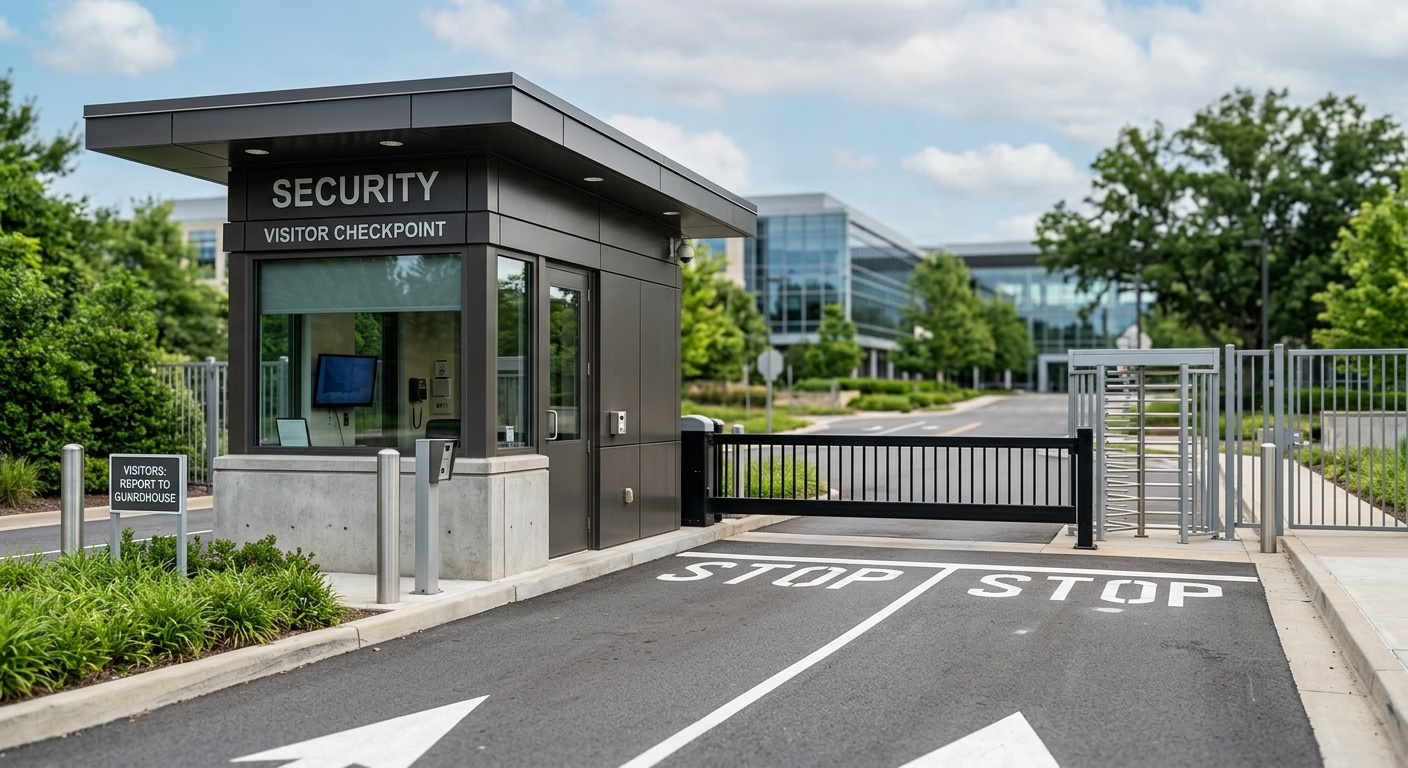
Ever tried to schedule a moving truck for 8 a.m., only to discover the gate attendant doesn’t start until 9? You’re not alone. Florida’s gated communities offer security, amenities, and a sense of exclusivity—but they also come with logistical quirks that catch newcomers off guard. Let’s unpack what it really takes to relocate smoothly in 2026.
Why Florida Gated Communities Are Booming in 2026
Florida added roughly 390,000 new residents in 2025 alone, according to the University of Florida’s Bureau of Economic and Business Research, and a growing share are choosing guard-gated or card-access neighborhoods. Industry data from the Community Associations Institute shows that over 45% of new residential developments in Florida now include some form of controlled-access feature, up from roughly 38% in 2022.
Why the surge? Three drivers stand out:
- Perceived safety — gated entries reduce uninvited traffic and package theft.
- Amenity bundling — pools, pickleball courts, and clubhouses are increasingly packaged with security infrastructure.
- Insurance incentives — some carriers offer modest premium reductions for homes in monitored, gated developments, a meaningful factor as Florida homeowners insurance costs remain roughly 2.7 times the national average in 2026.
Before You Sign: The Pre-Move Checklist
Here’s the straight talk: moving into a gated community isn’t just a change of address—it’s an onboarding process with its own paperwork, timelines, and etiquette. Skipping steps here creates headaches later.
Understanding HOA Governance and CC&Rs
Every gated community operates under Covenants, Conditions, and Restrictions (CC&Rs) enforced by a Homeowners Association. Before closing, request the full CC&R packet, the last two years of HOA meeting minutes, and the reserve fund study. A community with a poorly funded reserve account often signals upcoming special assessments—sometimes running $3,000 to $10,000 per household when roofs, gates, or clubhouses need replacement.
Quick Scenario: Imagine buying into a lakeside community in Naples, only to learn six months later that the gatehouse’s electronic system needs a $250,000 upgrade, split across 180 homes. That’s roughly $1,400 per household, due within 90 days. Reading the reserve study upfront would have flagged this risk.
Budgeting Beyond the Mortgage
Gated community living carries recurring costs that first-time buyers frequently underestimate:
- Monthly HOA dues (Florida gated communities average $350–$700/month in 2026, higher for resort-style amenities)
- One-time capital contribution fees at closing (often 0.25%–1% of purchase price)
- Transponder or gate-access fob fees ($25–$150 per device)
- Guest and vendor registration fees for movers, contractors, or short-term visitors
Pro Tip: Ask the HOA management company directly for a “buyer disclosure summary.” Florida statute 720.401 requires HOAs to provide certain financial disclosures before closing—use that leverage.
The Application and Approval Process
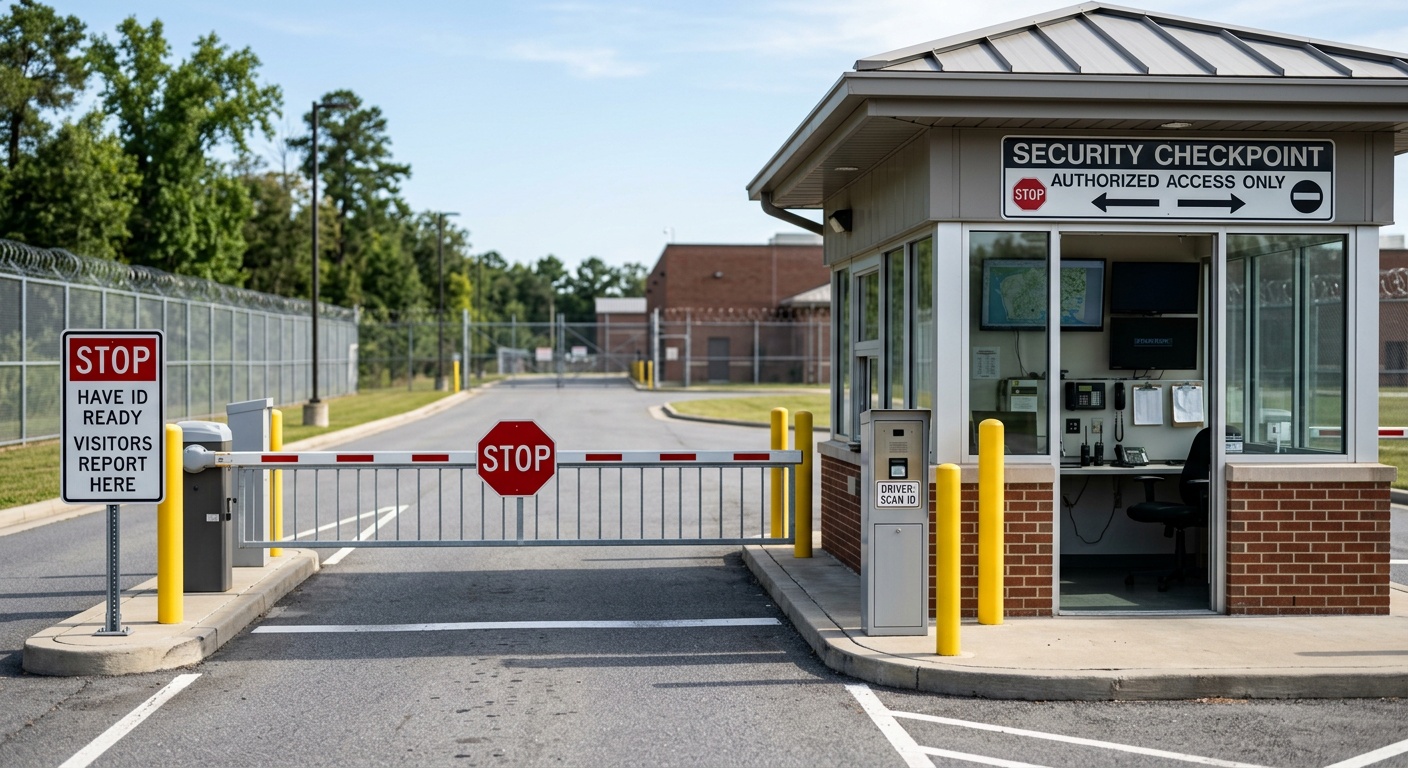
Unlike a standard rental or purchase, many gated communities require board approval before you get your gate credentials—sometimes even before you’re allowed to move belongings past the entrance.
Background Checks and Interviews
Roughly 60% of Florida’s higher-end gated communities require a background check, credit reference, or in-person board interview, according to a 2025 survey by the Florida Community Association Journal. Processing typically takes 10–21 business days. Submit applications at least three weeks before your target moving date to avoid a costly limbo period in a hotel or short-term rental.
Pet and Vehicle Policies
Many communities cap pet weight (often 35–50 lbs), restrict certain breeds, or limit the number of vehicles per household. Golf-cart-friendly communities—increasingly common in Central Florida’s master-planned developments—often require separate registration and insurance proof for carts before they’re allowed on internal roads.
Moving Day Logistics in a Gated Environment
This is where good planning pays off. Gated communities frequently require:
- Advance move-in notification — typically 48–72 hours before the truck arrives
- Certificate of insurance from your moving company, naming the HOA as an additional insured
- Time-window restrictions — many gates prohibit large trucks before 8 a.m. or after 6 p.m.
- Elevator or common-area reservations in condo-style gated buildings
Case in point: A family relocating to a gated community in Lakewood Ranch in early 2026 lost an entire moving day because their carrier’s insurance certificate listed the wrong HOA management company name—a mismatch that triggered an automatic denial at the gate. Double-check every document against the HOA’s exact legal name.
Comparing Community Types: A Quick-Reference Table
| Community Type | Avg. Monthly HOA Fee | Approval Timeline | Gate Access Method | Best For |
|---|---|---|---|---|
| Guard-Gated Luxury | $550–$900 | 15–21 days | 24/7 attendant + credential | Full-time residents, retirees |
| Card/Code Access Suburban | $250–$450 | 7–10 days | Keypad or RFID card | Families, remote workers |
| Golf & Amenity Resort | $400–$800 | 10–14 days | Guard + license plate scan | Active adults, seasonal owners |
| Condo/High-Rise Gated | $500–$1,200 | 14–30 days | Fob + lobby staff | Urban professionals |
| 55+ Age-Restricted | $300–$600 | 7–14 days | Keypad or attendant | Retirees, downsizers |
Data Snapshot: Resident Satisfaction by Priority
Source: Composite figures adapted from 2025–2026 Florida HOA resident satisfaction surveys.
Common Challenges (and How to Solve Them)
Challenge 1: Delayed gate credential issuance. Solution: Submit your application the moment your offer is accepted, not after closing. Ask for a temporary guest pass for movers and inspectors in the interim.
Challenge 2: Hidden capital assessments. Solution: Request the reserve study and last three years of assessment history before signing. If the reserve fund is under 50% funded, negotiate a credit or reconsider.
Challenge 3: Conflicting vendor rules. Solution: Confirm your moving company, cable installer, and contractors are all pre-approved vendors, or get a one-time vendor pass at least a week ahead.
Frequently Asked Questions
How long does board approval usually take in a Florida gated community?
Most associations process applications within 10 to 21 business days, though luxury guard-gated communities can take up to three weeks due to background checks and board interview scheduling. Always build this timeline into your closing and moving dates.
Can I negotiate HOA fees before moving in?
Fees themselves are rarely negotiable since they’re set by the association budget, but capital contribution fees, transfer fees, or move-in deposits are sometimes flexible—especially in a slower resale market like parts of Southwest Florida in 2026.
What happens if my moving truck arrives outside approved hours?
Most gates will deny entry or require the truck to wait offsite, which can trigger additional hourly charges from your moving company. Confirm the community’s exact access hours in writing and communicate them directly to your movers before the day of the move.
Your Gated Community Move-In Roadmap
Relocating into a Florida gated community rewards those who plan methodically rather than reactively. As Florida’s population growth shows no signs of slowing—with an estimated 400,000+ new residents projected for 2026—competition for approval slots and moving windows will only intensify.
- Step 1: Request CC&Rs, reserve studies, and financial disclosures before you finalize your purchase or lease.
- Step 2: Submit your HOA application within days of an accepted offer, not after closing.
- Step 3: Confirm your mover’s insurance certificate matches the HOA’s exact legal name and gate access hours.
- Step 4: Register vehicles, pets, and golf carts early to avoid move-in-day surprises.
- Step 5: Build a buffer of two to three weeks between your target move date and your actual application submission.
So, as you map out your own transition, ask yourself: are you preparing for the community you’re joining, or just the house you’re buying? Getting that answer right is what turns a stressful relocation into a genuinely smooth homecoming.